RM13 removals parking spots and van access guide
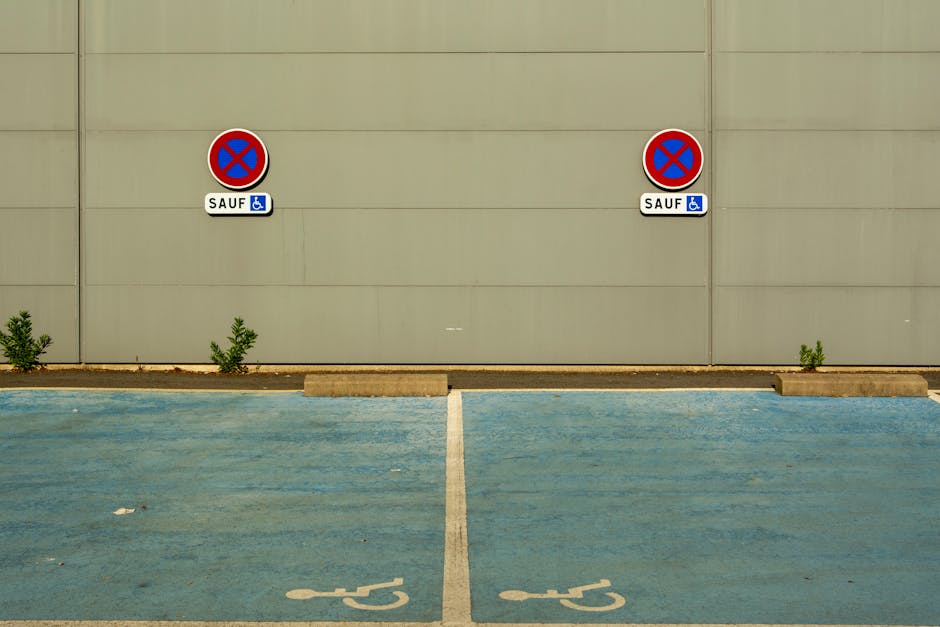
If you are planning a move in RM13, the parking question usually lands fast: where will the van stop, how close can it get, and what happens if the street is tight or already crowded? This RM13 removals parking spots and van access guide is here to make that part of moving day feel a lot less awkward. Truth be told, most delays are not caused by lifting boxes at all - they come from poor access, a blocked driveway, or a van that arrives before anyone has thought through parking.
Whether you are moving from a terrace near narrow residential lanes, a flat with limited bay space, or a property where the front garden is barely wide enough for a wheelie bin, the right parking plan can save time, reduce stress, and help protect your belongings. It can also make the difference between a tidy, efficient move and a day full of back-and-forth shuttles. Let's get into the practical side of it.
Why RM13 removals parking spots and van access guide Matters
Parking and access are not just logistics details. They shape the whole pace of a move. In RM13, where residential roads can vary from open stretches to tighter village-style streets, a van that cannot stop close to the property creates extra handling, more trips, and more risk of damage. A sofa is awkward enough at the best of times; carry it thirty metres further than expected and suddenly everyone is counting the seconds.
Good parking planning also helps with neighbour relations. Nobody enjoys a removal van blocking a drive, leaning into a junction, or sitting half across the kerb while someone downstairs is trying to leave for work. Small courtesies matter. A sensible access plan shows respect for the street as much as for the move itself.
There is another side to this too: cost control. If access is poor, the job may take longer. For many moves, time is one of the biggest practical drivers of price and fatigue. That is why removals firms often ask about parking early, not because they are being fussy, but because they know what goes wrong when access is left vague.
Expert summary: In RM13, the best move plan is usually the one that treats parking as part of the move, not an afterthought. Measure the access, check the street, and think about the van before moving day arrives.
How RM13 removals parking spots and van access guide Works
The basic process is straightforward. First, you identify where the van can legally and safely stop. Then you check how far the carrying distance is from the van to the front door, lift entrance, or loading point. Finally, you work out whether the route is clear enough for bulky furniture, boxes, and fragile items.
In practice, this means looking at more than just the nearest kerb. You need to think about street width, parked cars, turning space, low trees, corner pinch points, and whether the property sits on a one-way stretch or a road where stopping is likely to cause trouble. Sometimes a van can park almost outside the property. Sometimes the nearest sensible spot is one bay away. And sometimes, to be fair, the best option is to arrange a short loading window and work quickly with a second person on foot.
A removal van is not a small car with ambitions. It needs space to approach, line up, and leave without repeated shuffling. Bigger vans especially benefit from a clear access plan, because a little uncertainty can turn into ten minutes of reversing, repositioning, and everyone standing around saying, "just a bit more to the left."
For some moves, parking may be available right outside the property during certain hours. For others, you may need to plan around rush times or choose a quieter slot. If you are unsure how this applies in your part of RM13, a quick check with the local road layout and the building setup usually gives you enough to work with.
Key Benefits and Practical Advantages
A solid access plan delivers benefits that are easy to feel on moving day. Some are obvious, some only become obvious once something goes wrong. Here are the main ones.
- Less carrying distance: the closer the van, the fewer steps needed for every box and item.
- Lower risk of damage: awkward turns, long carries, and door-frame squeezes increase the chance of scuffs and knocks.
- Faster loading and unloading: that matters when you are on a schedule or working around access windows.
- Better safety: fewer heavy lifts across uneven ground or busy pavements.
- Less stress for everyone: the job feels calmer when the parking side is sorted early.
- Better cost predictability: a move with clear access is usually easier to plan accurately.
There is also a quieter advantage: it helps you make better decisions elsewhere. Once parking is sorted, you can focus on packing, keys, timings, and whether the kettle is in the right box. That little bit of mental space is worth a lot on moving day.
If you are comparing different moving options, it can help to look at the wider service picture too. For example, our man and van and removals pages explain the kinds of jobs suited to smaller or larger vehicles, while pricing and quotes is useful if you want to understand how access details may affect the estimate.
Who This Is For and When It Makes Sense
This guide is useful for more people than you might expect. It is not just for large household removals. In RM13, parking and access matter for flat moves, single-item collections, office relocations, student moves, and partial house clearances too.
You will find it especially helpful if you are:
- moving from a terraced house with limited front access
- living in a flat where the loading point is away from the entrance
- dealing with shared driveways or a narrow cul-de-sac
- moving bulky items like wardrobes, beds, or sofas
- trying to avoid road disputes, fines, or rushed loading
- working to a set time slot, such as after keys are released
It also makes sense if you are the one coordinating everything for someone else. We see this a lot with parents helping adult children, or tenants arranging a move on a tight timeline. You do not need to be an access expert. You just need a plan that answers the obvious questions before the van turns up.
And yes, if you have ever stood outside with a tape measure and a vague look on your face, you are exactly the kind of person this article is for.
Step-by-Step Guidance
Here is a simple way to plan parking and van access without overcomplicating it.
- Check the street outside the property. Look at the width of the road, existing parking, bends, and whether there is room for a van to stop without blocking traffic.
- Measure the carry distance. Estimate the route from the van to the entrance. Even a rough count of steps is useful.
- Look for obstacles. Think about gates, steps, low walls, tight porches, shared hallways, and any slope that might make moving heavier items harder.
- Identify the best loading side. Some streets work better if the van is on one side rather than the other. This small decision can save a surprising amount of time.
- Think about timing. Busy school runs, commuter traffic, and weekend parking pressure can all affect where a van can stop.
- Share the access details early. Give your mover clear information, not just "there should be space." Specifics are always better.
- Prepare the route inside the property. Move loose rugs, open doors if appropriate, and clear fragile items from hallways.
- Have a backup plan. If the nearest spot is taken, where else can the van wait safely?
A simple example: if the closest legal space is a short distance away, it may still be perfectly workable for boxes and small items. But if you are moving a wardrobe or a heavy chest of drawers, that extra carry changes the job considerably. This is where experience earns its keep.
For people wanting a smoother overall move, the practical guidance in discover the path to a painless house move and expert packing techniques can sit nicely alongside the parking plan. Packing and access work together more than most people realise.
Expert Tips for Better Results
Small details tend to make the big difference. Here are the sorts of things that experienced movers pay attention to, because they prevent awkward moments later.
- Arrive with a parking plan, not a guess. If there is only one sensible loading point, treat it as part of the job brief.
- Keep the longest items in mind first. Sofas, mattresses, and wardrobes are often the items that expose access problems.
- Use the entrance that gives the cleanest line of travel. Sometimes the shortest route is not the easiest one.
- Watch for neighbours' cars. In tightly parked streets, a single car in the wrong place can narrow the usable space more than expected.
- Plan for wet weather. Rain makes paths slippery and cardboard weaker. Not ideal, obviously.
- Consider a quick load order. Heavy or fragile items can be moved first if the van spot is temporary.
- Leave room for the van to leave cleanly. A spot that is easy to enter but hard to exit can create trouble at the worst moment.
If you are moving from a flat, a shared building, or a location with awkward turning space, it may help to choose a removal service that is used to tighter access and urban parking conditions. The pages for home moves and man with van give a good sense of the practical range you can arrange for different kinds of jobs.
One more thing: take photos if needed. A quick phone picture of the street, entrance, or parking layout can be more useful than a long description. Sometimes a picture just says it. That's that.
Common Mistakes to Avoid
Most access problems are avoidable. That is the slightly annoying part, because it means they are usually the result of assumptions. Here are the common ones.
- Assuming parking will "sort itself out". It might. Or it might not, and that's when stress appears.
- Ignoring the size of the van. A small van and a long wheelbase van behave very differently on narrow streets.
- Forgetting about delivery or neighbour traffic. A street can look open at 9am and completely different by mid-morning.
- Not checking for restrictions. Temporary bays, permit zones, yellow lines, and loading limitations can all matter.
- Leaving bulky items for last. If the biggest item becomes the final item, the move can get messy quickly.
- Underestimating the carry distance. Ten metres on paper can feel like fifty when you are carrying a fridge box.
- Giving vague instructions. "Near the front" is rarely enough.
There is also a classic mistake that sounds harmless: waiting until the van is already on site before checking the route. By then, you are solving a problem instead of preventing one. It is a bit like packing tape after the box has already split open. Too late, really.
Tools, Resources and Recommendations
You do not need specialist equipment to plan access well, but a few simple tools make the job easier.
| Tool or Resource | What it helps with | Why it matters |
|---|---|---|
| Measuring tape | Door widths, hallway clearances, awkward furniture sizes | Prevents guesswork when planning what can fit where |
| Phone camera | Street layout, access points, parking position | Gives a clear visual reference if the layout is hard to describe |
| Notebook or phone notes | Restrictions, timings, key contact details | Keeps the plan tidy and avoids mixed messages |
| Packaging materials | Protecting items during longer carries | Extra distance means extra handling, so protection matters more |
| Removal service details | Vehicle size, access expectations, timing | Helps match the job to the right vehicle and crew |
It can also help to review practical pages such as moving van, removal van, and moving truck if you want to understand the vehicle side of things before you book.
For jobs that involve disposal or decluttering before the move, decluttering hacks and bulky waste collection guidance can also help you reduce what needs to be carried on the day.
Law, Compliance, Standards, or Best Practice
Parking and van access are not just operational questions. In the UK, they can touch on parking rules, loading restrictions, street safety, and building access expectations. That said, exact arrangements can vary by location, street layout, and property type, so it is wise not to assume the same rule applies everywhere.
In practical terms, you should be thinking about:
- keeping the van parked legally
- avoiding obstruction of driveways, crossings, or emergency access
- respecting permit zones, yellow lines, and local restrictions where they apply
- maintaining safe pedestrian access around the property
- making sure the move does not create a hazard on the pavement or road
If a property is in a managed block, leasehold building, or shared access setting, the rules may be tighter than on a standard residential road. Building managers, lease conditions, or house rules may affect where loading can happen and how long a van can stay. That is not the glamorous part of moving, granted, but it is the part that keeps things smooth.
Best practice is simple: confirm the loading arrangement early, communicate clearly with everyone involved, and leave enough margin for a van to stop without turning the street into a puzzle.
For peace of mind, it is sensible to choose a provider with clear operational policies. Pages such as health and safety policy, insurance and safety, and terms and conditions help show how a company approaches risk, responsibility, and customer expectations.
Options, Methods, or Comparison Table
Different move types call for different parking strategies. There is no single right answer, which is why comparing the main options is useful.
| Option | Best For | Pros | Watch Out For |
|---|---|---|---|
| Van parks directly outside | Most straightforward house moves | Shortest carry, fastest loading | May be impossible during busy periods or on narrow roads |
| Van parks a short distance away | Residential streets with some parking pressure | Often still efficient if the route is clear | Longer carry, extra care for heavy items |
| Timed loading from a clear bay | Controlled moves, flats, or permit-managed areas | Predictable and organised | Needs good timing and coordination |
| Shuttle method from property to van | Very tight roads or blocked access situations | Flexible when direct access is limited | More handling, more labour, more time |
For many RM13 moves, the second option is the realistic one. It is often completely workable. The key is being honest about the route and the load. If the item list is mostly boxes and small furniture, short-distance parking is usually manageable. If you have large white goods or a lot of stairs, the calculation changes.
If you are still deciding between different move setups, the comparison between man and van removals, house removals, and office removals can be useful. Each one brings different access expectations and vehicle needs.
Case Study or Real-World Example
Here is a realistic example from a typical RM13-style move. A small family was moving from a narrow residential street with parking already tight by late morning. The front of the house had enough space for a van to stop, but not enough for a long dwell time without causing problems for neighbours. The access route inside was fine, but the main challenge was how to get the van in, load quickly, and get back out without blocking anyone.
The solution was simple but effective. The move was booked for an earlier slot, the van position was checked ahead of time, and the larger items were grouped so they could be loaded first. The crew kept the front door area clear, used a direct carry route, and avoided repeated shuffling of the vehicle. No drama. No queue of annoyed drivers. Just a tidy, well-managed loading window.
What made the difference was not extra muscle or fancy equipment. It was a clearer idea of the street before the move began. That is often the story with removals, honestly. The fancy bit is usually just good planning in plain clothes.
If you want examples of local move planning in similar conditions, the posts on navigating narrow lanes, moving permits and parking rules for vans, and station access guide for removals teams provide a good sense of the kind of access issues that can crop up nearby.
Practical Checklist
Use this checklist before moving day. It is simple, but it catches most of the avoidable headaches.
- Confirm where the van can legally stop
- Check for parking restrictions or permit requirements
- Measure the main carry distances
- Identify the best entrance or loading door
- Look for steps, slopes, gates, and tight corners
- Make a backup parking option
- Tell the movers about bulky or awkward items
- Keep hallways and doorways clear
- Protect floors and fragile touchpoints if needed
- Have keys, contact numbers, and timing details ready
- Check if neighbours or building managers need notice
- Keep a little flexibility for traffic or parking changes
If you are doing a bigger declutter first, that can also help the move feel lighter and easier. Fewer items usually means fewer trips, and fewer trips usually means fewer parking complications. Simple maths, really.
Get a free quote today and see how much you can save.
Conclusion
A good move in RM13 is rarely about luck. It is usually about getting the small things right before the van arrives. Parking spots, access routes, and vehicle positioning may seem like background details, but they shape the speed, safety, and calm of the whole day.
If you remember only one thing from this guide, let it be this: plan the van as carefully as you plan the packing. Do that, and the move becomes much more manageable. Less rushing, fewer surprises, and far fewer moments of standing on the pavement wondering where the best space went.
For a smoother next step, review your property access, choose the right moving setup, and make sure your removal team has the real picture - not just the optimistic version. A little clarity now saves a lot of effort later. And that, in moving, is a very good trade.
Frequently Asked Questions
What is an RM13 removals parking spots and van access guide?
It is a practical guide for planning where a removals van can stop in RM13, how close it can get to the property, and how to manage loading safely and efficiently.
Why does van access matter so much on moving day?
Because access affects walking distance, loading speed, safety, and the overall time needed for the move. Poor access can slow everything down more than people expect.
Do I need to arrange parking before the removals team arrives?
Yes, if you can. Even a basic plan helps. It reduces last-minute stress and avoids the awkward situation where the van arrives and nobody knows where it can legally stop.
How do I know if my RM13 street is suitable for a removal van?
Check the width of the road, existing parked cars, any restrictions, turning space, and how close the van needs to get to the entrance. A photo and a rough measurement are often enough to spot issues early.
What if there is no parking directly outside my property?
That is very common. A short carry from a nearby legal spot can still work well if the route is clear and the furniture list is manageable. The key is to plan for it rather than hope for the best.
Are larger vans harder to use in tight RM13 streets?
Generally, yes. Bigger vans need more room to line up, turn, and leave safely. If access is tight, it may be better to choose a smaller vehicle or a more carefully timed loading window.
What should I tell my removals company about access?
Tell them about parking restrictions, narrow roads, steps, gates, shared driveways, long carry distances, and any large items. The more specific you are, the better they can plan.
Can poor parking affect the cost of my move?
It can. If access is awkward, the move may take longer or require more handling. That can influence the quote or the final job time, depending on how the service is structured.
Is it worth taking photos of the street and entrance?
Absolutely. Photos are often the easiest way to show tight access, nearby restrictions, or a tricky loading area. They save a lot of back-and-forth explanations.
What kind of items are most affected by poor access?
Large or awkward items such as sofas, wardrobes, mattresses, fridges, and heavy drawers are usually the first to cause problems. Boxes are easier; bulky furniture is where access really matters.
How far in advance should I think about parking for removals?
Ideally, as soon as you know your moving date. Even a few days of planning can make a big difference, especially if you need to consider permits, building rules, or busy local parking patterns.
Where can I find more help on choosing the right removals service?
Start with the service pages for removal services, removal company, and removal companies. They give a useful overview of the different ways a move can be organised.
What should I do if my move involves a flat or managed building?
Check the building rules early, because flats and managed properties often have stricter loading or parking expectations. If needed, coordinate with the building contact before moving day so nobody is caught off guard.
Can I combine decluttering with access planning?
Yes, and it is a smart move. Reducing the number of items means less carrying, less van space, and fewer parking headaches. It all helps. A little less stuff is often a little more sanity.