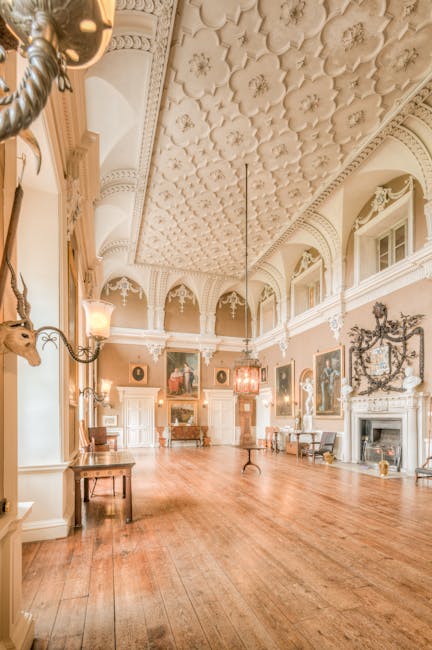
Wennington Hall moves: landmark-to-home specialist
Posted on 07/05/2026
Moving from a landmark property is not the same as moving from an ordinary house. Wennington Hall moves need extra care, a sharper plan, and a removals team that understands how to work around access, fragile finishes, bulky furniture, and the plain reality that some homes simply ask for more judgement. If you are planning a move from or to a building with character, that can feel exciting and a bit nerve-racking at the same time. Fair enough.
This guide explains what a landmark-to-home specialist approach looks like, why it matters, and how to make the whole process less stressful. You will also find practical steps, comparison points, safety considerations, and a realistic checklist you can use before moving day. If you want a broader look at local moving support, our services overview is a good place to start.

Why Wennington Hall moves: landmark-to-home specialist Matters
Landmark buildings tend to come with a few extra complications. Staircases can be tight, entrances can be awkward, parking may be limited, and the architecture itself may be part of the challenge. In a place like Wennington Hall, you are often dealing with more than just boxes and furniture. You are working around property character, neighbouring access, careful timing, and sometimes a lot of history.
That is why a landmark-to-home specialist mindset matters. It is not about making the move dramatic. It is about preventing the small mistakes that cause damage, delays, and stress. A chipped bannister, a scraped doorway, a sofa that simply will not turn the corner, or a piano that needs a more disciplined approach can turn a normal day into a long one. To be fair, most removals problems are not grand disasters. They are just lots of little things stacking up.
This is where experience shows. A team used to house removals in Wennington will know how to break the job into stages, protect the property, and keep the day moving without unnecessary drama. It is especially useful if your move includes awkward furniture, special handling, or a tight schedule.
There is also a trust element here. A move from a notable property can involve more people: family members, landlords, estate managers, building staff, neighbours, or tradespeople. The more complicated the setting, the more valuable it becomes to have clear communication and a calm process. A good move should feel organised, not theatrical.
How Wennington Hall moves: landmark-to-home specialist Works
A specialist move starts long before the van arrives. The first step is usually a conversation about access, volumes, fragile items, timing, and any restrictions around the building or surrounding roads. In a landmark-style setting, those details are not minor. They shape everything from the size of the vehicle to the order in which items leave the property.
Then comes planning. That can include a route for larger furniture, packing priorities, and where protective materials will be needed. If you have already started sorting things, you may find our guide to decluttering before a move helpful, because lighter loads are easier to handle in properties with narrow access or delicate interiors.
On moving day, a landmark-to-home specialist approach is all about sequence and control. Heavy items come out in the right order. Fragile pieces are padded and separated. Floors, corners, and door frames are protected where needed. The aim is not speed for speed's sake. It is steady progress without panic. That might sound obvious, but honestly, a lot of moving problems come from people rushing the first thirty minutes.
If packing is still on your list, practical guidance from expert packing techniques can make a real difference. And if the move involves a piano, you should treat that as a separate handling job altogether; see piano removals in Wennington for the kind of specialist care that instrument deserves.
After loading, the team should check that items are secured correctly, the property is left in good order, and the receiving home is ready for placement. In some cases, that final placement matters more than people expect. A sofa delivered into the wrong room can block access, slow unpacking, and turn one task into three. Small detail, big difference.
Key Benefits and Practical Advantages
The main benefit of a specialist approach is control. But there are several other advantages that are worth spelling out clearly.
- Reduced risk of damage: Better handling, better protection, fewer knocks and scrapes.
- Smoother access planning: Ideal for narrow halls, awkward drives, shared entrances, and time-limited parking.
- Less stress on the day: You are not guessing what comes next.
- Better handling of specialist items: Pianos, antiques, heavy wardrobes, and large mattresses need proper technique.
- More efficient unloading: The right order saves time at the destination.
- Clearer decision-making: A good team can spot issues before they become expensive delays.
There is also a hidden benefit that people sometimes overlook: confidence. When you know the move is being handled with care, everything else becomes easier. You pack better. You label better. You make decisions faster. The whole day just feels less loaded, which matters more than people admit.
If some of your furniture needs temporary storage during a staged move, our storage options in Wennington can help keep the process flexible. That flexibility is handy when completion timings or access windows shift at short notice, which does happen.
| Move approach | Best for | Main strengths | Typical drawbacks |
|---|---|---|---|
| General DIY move | Very small, simple moves with easy access | Lower upfront cost, flexible timing | Higher risk of injury, damage, and delays |
| Man and van support | Smaller homes, partial loads, local relocations | Efficient, practical, often cost-conscious | May not suit bulky, delicate, or complex properties |
| Landmark-to-home specialist move | Properties with access constraints, valuable items, or fragile interiors | Protection, planning, control, and better handling | Needs more preparation and a more detailed assessment |
In plain English: the more complex the property, the more a specialist approach pays for itself in saved time, reduced hassle, and fewer avoidable mistakes.
Who This Is For and When It Makes Sense
This kind of move is not only for large homes or very expensive furniture. It makes sense whenever the property or the contents create a higher-than-usual level of care.
You may benefit from a landmark-to-home specialist service if you are:
- moving from a property with narrow corridors, stairs, or restrictive access
- relocating furniture that is heavy, oversized, antique, or fragile
- managing a family move with a lot of mixed-room contents
- moving into a home where room-by-room placement matters
- working to a fixed handover date, key time, or access window
- dealing with a partial move, such as a downsizing or staged relocation
It is also sensible for people who simply do not want a lot of uncertainty on the day. Not every move needs drama. Some people just want the wardrobe to arrive intact and the kettle to be within reach by tea time. Reasonable request, really.
For students, renters, and smaller household moves, a lighter service may be enough. Our student removals in Wennington and flat removals support are better fits where the scale is smaller but the timing still matters.
Step-by-Step Guidance
1. Survey the property and contents
Start with a practical walk-through. Measure large furniture, note staircase turns, check lift access if relevant, and identify anything that may need specialist handling. If a sofa has to pass a tight bend, measure that bend. It sounds dull, but dull is good here.
2. Decide what is moving, storing, or discarding
Before you pack a single plate, make the honest decision: what is worth taking? This is where decluttering saves time and money. If you are trimming back what you own, our guide to moving-day decluttering can help you avoid paying to move things you no longer need.
3. Group items by handling needs
Not all belongings should be packed the same way. Books, clothing, fragile ornaments, artwork, electronics, and white goods each need different preparation. A freezer, for example, needs proper defrosting and care before transport or storage. Our article on freezer care when it's not in service is a useful reference.
4. Prepare specialist items early
Pianos, large mirrors, bed frames, mattresses, and sofa sections should be prepared before the rest of the house is in chaos. If you are moving a bed, see how to move your bed and mattress safely. It will save you a lot of last-minute wrestling in a hallway, and yes, that is exactly as awkward as it sounds.
5. Protect the property
Use floor coverings, corner protectors, wrapping, and sensible lifting methods. In older or character properties, protection is not optional. Hallway marks and chipped paint can be surprisingly easy to cause and frustrating to repair.
6. Load in a controlled order
Large, stable items usually go first, followed by boxed contents and then delicate pieces that need careful positioning. Weight distribution matters. So does keeping what you will need first near the front or easiest access point.
7. Unload with placement in mind
Don't just get everything inside and hope for the best. Put each item in the correct room, in the correct orientation, if possible. It saves a lot of lifting later. The best moving days finish with a home that feels settled, not a maze of mystery boxes.
Expert Tips for Better Results
These are the small things that make a noticeable difference. Not glamorous, but very useful.
- Label by room and priority: Add a room name and a simple note like "open first" or "fragile."
- Use a clear inventory for valuables: This helps with checking items in and out.
- Keep a separate essentials bag: Medications, chargers, keys, snacks, paperwork, and basic toiletries should stay with you.
- Take photos of tricky furniture before dismantling: Handy when reassembling. Very handy, actually.
- Book the right vehicle size: Too small and you waste time; too large and access gets awkward.
- Plan around the weather: Wet pavements, mud, and cold mornings slow things down more than most people expect.
- Ask about lifting technique: Proper training helps reduce strain. Our article on kinetic lifting in professional training explains the thinking behind safer handling.
One extra tip: if a piece looks too awkward, stop and reassess. That pause can save the item. And your back. Truth be told, it is usually the sensible move.

Common Mistakes to Avoid
Most moving problems are preventable. The trouble is, they often happen because people underestimate the property or overestimate what can be rushed. Here are the big ones.
- Leaving measurements until moving day: By then, it is too late to change the plan.
- Packing too late: Rushed packing leads to damage and confusion.
- Ignoring access constraints: A vehicle parking issue can hold everything up.
- Underprotecting floors and walls: Character properties are especially vulnerable.
- Forgetting specialist items: Pianos, sofas, and mattresses deserve their own plan.
- Not confirming insurance and liability details: Always know what is covered and what is not.
- Trying to do too much solo: Some jobs are fine with help, but a heavy lift is not the place to wing it.
The last one is worth repeating. If you are tempted to lift something heavy on your own because "it'll only take a minute," stop. A minute can turn into a pulled shoulder very quickly. For safer solo technique, our guide to solo lifting skills is a useful read, though in many cases the better answer is simply to ask for help.
Tools, Resources and Recommendations
A careful move does not always need lots of equipment, but the right tools help keep things calm. Here are the essentials that often make the biggest difference.
- Furniture blankets and wrap: For protecting timber, upholstery, and finished surfaces.
- Removal straps and dollies: Useful for moving heavier items safely and steadily.
- Sturdy boxes and tape: Quality packing materials reduce last-minute breakages.
- Wardrobe boxes or hanging protection: Handy for clothes that should stay crease-free.
- Floor runners and corner guards: Particularly useful in hallways and stairwells.
- Labels and markers: Simple, but oddly powerful. People forget this one and then regret it.
If you need help getting the basics sorted, packing and boxes in Wennington is a practical support option. For broader moving support, a local man and van service in Wennington can be a good fit for smaller or part-load moves.
For larger household moves, or when you want a more fully managed experience, it is worth comparing options carefully. A reliable removals service in Wennington or a more tailored removal service may be more suitable than a purely transport-led arrangement.
Law, Compliance, Standards, or Best Practice
Moving homes in the UK does not usually involve complex legal formalities for the homeowner, but there are still important best practices to follow. Insurance, safe lifting, access arrangements, and clear communication all matter. Where a property is historic, listed, managed, or otherwise sensitive, you should also be careful about what is permitted for access, loading, and protection.
A professional removals provider should be able to explain how they approach safety and liability in plain English. That includes whether they carry appropriate cover, how they protect property during handling, and what happens if access is restricted on the day. If you want to read the company's own approach, the health and safety policy and insurance and safety information are useful trust pages to review.
Best practice also means being clear about terms, payment, and expectations before the job begins. That is especially important for staged moves, storage handovers, or short-notice changes. The practical side may feel unglamorous, but it is what keeps everyone on the same page. No one likes surprise costs on a moving day. Nobody.
Where sustainability matters to you, it may also be worth checking how unwanted items are handled. The company's recycling and sustainability approach can help you make better decisions about reuse, disposal, and waste reduction.
Options, Methods, or Comparison Table
If you are deciding how to approach a landmark-style move, the simplest way is to compare your options against the complexity of the job. A quick table often makes the decision clearer than a long chat.
| Method | Best use case | What it gives you | Watch out for |
|---|---|---|---|
| DIY hire and self-move | Very small, uncomplicated loads | Low structure, total control | Physical strain, poor packing, property damage |
| Man with a van | Small-to-medium local moves | Flexibility and straightforward transport | May need more planning support for fragile or bulky items |
| Specialist removals team | Complex properties, heavy items, tight access | Planning, protection, lifting skill, efficiency | Needs a more detailed brief and sometimes a pre-move assessment |
| Split move with storage | Completion gaps or staged occupancy | Flexibility and reduced pressure on one moving day | Requires clear labelling and storage coordination |
If you are unsure which route fits, a short chat with experienced local movers can save a lot of guesswork. A good team will not push one answer for every situation. They will ask about access, contents, and timing first. That is usually the giveaway.
Case Study or Real-World Example
Imagine a family moving out of a property with a long hallway, a grand staircase, and a few items that have been in the same room for years. Nothing outrageous, just a home where every piece has a story. The piano belongs in the living room. The dining table is heavier than anyone remembered. There is a sofa that looks manageable until you try turning it. Classic.
In a case like that, the move works best when the team measures the route first, identifies the awkward items early, and sets a sequence for packing and loading. The large furniture is wrapped and moved before the hallway fills with boxes. The piano is handled as a dedicated item rather than "something heavy we'll sort out later." Boxes are labelled by room, and the essentials bag stays separate so the kettle, phone charger, and documents are easy to find at the end of the day.
What makes the day smoother is not speed. It is order. The family sees progress, rooms are cleared in a sensible sequence, and the property is left tidy. There may still be a few moments of faff, because there always are, but the whole thing feels manageable. That is the real benefit of a landmark-to-home specialist approach: not perfection, just control and confidence.
If you want a full-home version of that planning mindset, our guide to a painless house move is a useful companion read.
Practical Checklist
Use this checklist in the days leading up to the move. It keeps the important things from slipping through the cracks.
- Measure large furniture and compare it with access routes
- Confirm parking, loading space, and any access restrictions
- Separate fragile, valuable, and specialist items
- Book packing materials and boxes in advance
- Label boxes by room and priority
- Defrost, clean, and prepare appliances that need it
- Protect floors, corners, and bannisters where needed
- Prepare an essentials bag for the first night
- Check insurance and service terms before moving day
- Keep phone numbers, keys, and documents close to hand
One last practical thing: if you are moving sofas into storage before the final home handover, the advice in our sofa storage guide is well worth a look. Upholstery can suffer in damp or poorly packed conditions, and it is one of those items people assume will be fine until it isn't.
Get a free quote today and see how much you can save.
Conclusion
Wennington Hall moves are best approached as careful, planned transitions rather than rushed transport jobs. A landmark-to-home specialist service brings together practical lifting, better packing, sensible route planning, and the kind of judgement that stops small issues becoming big ones. That is what makes the difference on the day.
If you are moving from a property with character, or into one, the goal is not just to get everything there. It is to do it without damage, without chaos, and without wearing yourself out in the process. There is enough to think about already. The right support should make the day feel steadier, not busier.
And once the last box is in, and the kettle is finally boiled, that quiet moment of relief really does matter. It means the job is done, and done properly.