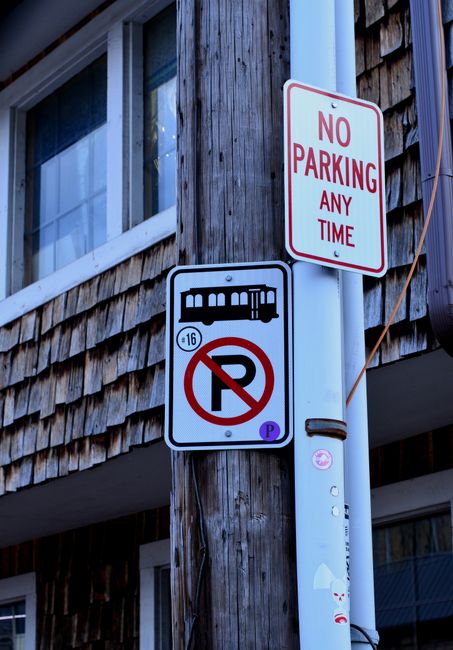
Wennington moving permits and parking rules for vans
Posted on 26/06/2026

Wennington moving permits and parking rules for vans: a practical guide for hassle-free moves
If you are planning a move in Wennington, the parking side of the day can be the difference between a smooth morning and a stressful scramble. Wennington moving permits and parking rules for vans are not the glamorous part of moving, to be fair, but they matter just as much as packing tape and bubble wrap. A van that cannot stop safely, a blocked bay, or a permit that was never checked can quickly slow everything down. This guide walks you through the real-world basics: what permits are for, how van parking usually works on moving day, what to check before the keys are handed over, and how to avoid the sort of small mistake that turns into a big delay.
It is written for people moving home, moving furniture, or arranging a business or student move in the area. You will also find a checklist, comparison table, and a few practical examples from the kinds of situations movers deal with every week. If you want the move to feel organised rather than improvised, start here.
- Why permits and parking rules matter
- How van parking and permits usually work
- Key benefits and practical advantages
- Who needs this and when it makes sense
- Step-by-step guidance
- Expert tips for better results
- Common mistakes to avoid
- Tools, resources and recommendations
- Law, compliance and best practice
- Options and comparison table
- Case study and real-world example
- Practical checklist
- Conclusion
- Frequently asked questions
Why Wennington moving permits and parking rules for vans Matters
Parking for a moving van is not just about finding an empty space. It is about access, timing, safety, and keeping the whole move on track. In Wennington, as in many London-area locations, the streets and access points around homes, flats, and commercial buildings can be tight, and the rules around stopping or loading may be more nuanced than they look at first glance.
Why does this matter so much? Because moving day is full of moving parts, literally. If a van has to park too far away, every item takes longer to carry. That means more labour, more fatigue, and more risk of damage. A poorly positioned van can also create awkward moments with neighbours, foot traffic, or other vehicles. Nobody wants to be the person holding a wardrobe halfway down the pavement while someone is trying to reverse out. It happens, though.
For many moves, the parking arrangement is the hidden variable that shapes everything else. A clear plan helps you protect the property, respect local parking rules, and keep your removals team working efficiently. That is especially useful if you are moving bulky furniture, appliances, or fragile items that need short, direct carrying distances.
How Wennington moving permits and parking rules for vans Works
The exact arrangement depends on the street, the property, and the type of stop your van needs to make. In practical terms, there are three things to think about:
- Where the van can legally stop for loading or unloading.
- Whether a permit, dispensation, or exemption is needed for longer stays or restricted areas.
- How much space the van needs to work safely without blocking access or causing avoidable disruption.
Most movers start by checking whether the address sits on a road with standard parking bays, single yellow lines, double yellow lines, resident-only spaces, time-limited bays, or access restrictions. In some locations, a short stop for active loading may be acceptable under local parking rules, but that does not mean the van can simply sit there all day without a second thought. The difference between a quick loading stop and a prolonged parking arrangement is where people often get caught out.
It also helps to separate parking from access. A van may technically be allowed to stop somewhere, but if the path to the property is awkward, blocked, steep, or narrow, the removal plan still needs adjusting. That is where a little pre-move planning pays off. If you are dealing with a flat, for example, a sensible setup may involve a shorter van carry route plus better packing. For broader preparation ideas, this guide to a smoother house move is a useful companion read.
In some cases, local parking permissions are straightforward; in others, you may need to ask for temporary accommodation of the van, particularly if the loading point is on a busy road or within a controlled parking zone. The key is not to assume. Check early, confirm in writing where possible, and leave a buffer for unexpected limitations. That little bit of caution saves a lot of last-minute pacing up and down the pavement.
Key Benefits and Practical Advantages
Getting the permit and parking side right is not about bureaucracy for its own sake. There are very real, practical benefits.
- Faster loading and unloading: Less distance from door to van means less lifting and fewer trips.
- Lower damage risk: The shorter the carry route, the lower the chance of bumping furniture, walls, or door frames.
- Better crew efficiency: A well-positioned van lets movers work in a steady rhythm rather than stopping and starting.
- Less stress on moving day: You are not trying to solve parking while the clock is ticking and everyone is tired.
- Cleaner neighbour relations: A tidy, lawful setup reduces complaints and awkward conversations.
There is also a financial angle. Delays caused by poor parking can increase labour time and, in some cases, create extra charges. Even if the move is not billed by the minute, wasted time still has a cost somewhere in the day. That is why experienced movers tend to treat parking planning as part of the move itself, not a side note.
Expert summary: The best Wennington van parking plan is usually the simplest one that is legal, short to walk, and agreed in advance. If it needs guesswork on the day, it is probably not good enough.
Who This Is For and When It Makes Sense
This topic matters to more people than you might think. It is not only for families moving house.
- Home movers: Anyone moving out of or into a terraced house, semi-detached property, or flat in Wennington.
- Flat movers: If your property has limited access, shared parking, or a narrow frontage, parking rules become a major planning point. Flat removals in Wennington often need especially careful vehicle positioning.
- Furniture buyers and sellers: When you are collecting a sofa, bed, or wardrobe, you still need somewhere sensible for the van to stop.
- Students: A smaller move still needs a practical loading point, especially if there are stairs, limited bays, or time pressure. The page on student removals in Wennington is relevant if the move is quick but busy.
- Offices and small businesses: Deliveries, archive moves, and equipment relocation can create parking issues around entrances, service areas, and shared access roads.
It also makes sense whenever the move involves a van larger than your everyday vehicle, because space, kerb access, and manoeuvring all become more sensitive. Truth be told, even a short move can go sideways if the van cannot physically reach the property at the right time.
Step-by-Step Guidance
Here is a practical way to approach Wennington moving permits and parking rules for vans without overcomplicating it.
- Check the property access first. Look at the road outside, nearby side streets, any parking bays, and whether there is room for a van to stop safely near the entrance.
- Identify restrictions. Note resident bays, loading restrictions, yellow lines, suspended bays, width limits, or anything that may affect stopping time.
- Estimate vehicle size. A smaller removal van may fit where a larger box van will struggle. If you are not sure, it is better to plan for the larger footprint and be pleasantly surprised.
- Decide how close the van needs to be. Heavy items, long carry distances, and upper-floor flats all push you towards better access.
- Check whether a permit or dispensation is needed. Some parking arrangements require advance permission or special wording for loading and unloading. If you are using a professional team, ask them how they handle this stage.
- Build in a time buffer. It is easier to start ten minutes early than to explain why the van is circling the block.
- Prepare the property. Keep hallways clear, protect doorways, and make sure the carrying route is clean and dry.
- Confirm final instructions the day before. A quick check on vehicle arrival time, contact details, and where the van should stop can prevent a lot of confusion.
If you are still at the planning stage, good packing helps reduce the time the van needs to stay in place. A lot of people underestimate that. The article on expert packing techniques for moving day is handy if you want to trim unnecessary delays.
One small but important detail: if you are moving larger items like beds, pianos, or fridges, the van may need to sit closer to the entrance for longer while items are carried carefully. That is not a place to be casual. The logistics matter, even if the day feels hectic.
Expert Tips for Better Results
These are the sorts of things that make a parking plan work in the real world, not just on paper.
- Do a quick street walk before moving day: Stand where the van would stop and imagine the carry route with a mattress or sofa in hand. It changes your perspective quickly.
- Keep the loading point as direct as possible: If the safest stop is two doors away, fine. But if you can reduce that distance lawfully, do it.
- Use cones or a helper only where lawful and appropriate: Reserving a space by eye contact and hope is not a strategy.
- Have a backup parking option: Streets change. A delivery truck, roadworks, or a neighbour's vehicle can suddenly alter the plan.
- Bundle your move with decluttering: Fewer items mean less loading time, which means less need to occupy a parking spot for long. Decluttering hacks for a streamlined move can genuinely help here.
If the day involves heavy lifting or awkward stairs, think about the crew's physical strain too. Good parking reduces unnecessary carrying, which helps protect both the items and the movers. That is the bit people forget. A van parked twenty metres closer can make a surprisingly big difference by 3 p.m. when everyone has done the same route ten times.
And yes, it is absolutely worth asking whether your moving schedule can be slightly flexible around the quieter part of the day. Sometimes the road is simply easier to work on at one time than another. Small timing adjustments. Big payoff.
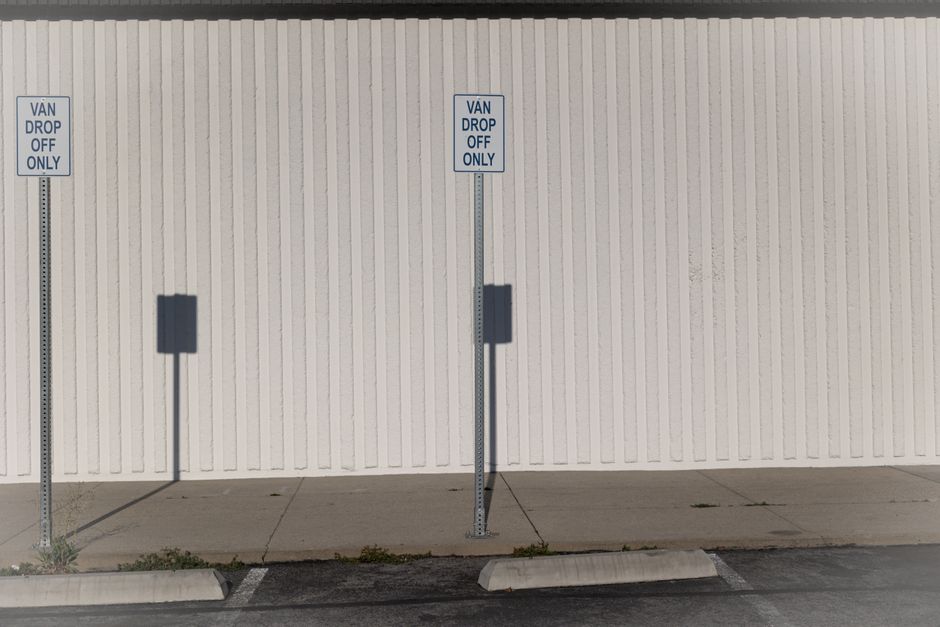
Common Mistakes to Avoid
Most moving-day parking problems come from a handful of repeat mistakes. The good news is that they are easy to spot once you know what to look for.
- Leaving parking until moving morning: This is the classic error. By then, your options are already limited.
- Assuming loading is always allowed: Some roads are more restrictive than they look, and local parking conditions can change by time of day.
- Choosing the wrong vehicle size: A van that is too large for the road can create more problems than it solves.
- Forgetting about access width: A space may exist, but still not be practical if the van doors or side loading area cannot open properly.
- Not warning neighbours: A little notice can prevent blocked drive complaints and unnecessary tension.
- Ignoring the loading route: Steps, gravel, wet leaves, and narrow gates all matter more than they first seem.
A surprisingly common one is the "it will be fine on the day" approach. It often isn't. Not because people are careless, but because moving day compresses everything. Decisions that would normally take ten minutes get made in thirty seconds while someone is standing at the door with a trolley. That is when mistakes happen.
Also, do not assume that a quick stop is the same as a lawful all-day parking solution. The distinction matters, and it is worth checking carefully. Better to ask an apparently obvious question than to find out the hard way.
Tools, Resources and Recommendations
You do not need a suitcase full of gadgets to manage van parking well, but a few simple tools can make the whole process smoother.
- Site notes or a phone memo: Jot down road names, best access points, and any tricky parking restrictions you spot.
- Measuring tape: Helpful if you want to check whether a parking space or driveway will suit the van size.
- Property photos: A quick picture of the frontage, kerb, and entrance can help when discussing access with movers.
- Floor protection and door guards: These are not parking tools exactly, but they reduce the knock-on effects of a long carry.
- Clear labels on boxes and furniture: Faster unloads often mean a shorter van stop.
It is also sensible to use relevant planning support from the moving side of the business. The services overview gives a broader picture of how different removals options can fit a local move. If your job is item-specific, the furniture removals service may be more appropriate than a general moving approach.
And if your timing is tight, a same-day or short-notice arrangement may still be possible, but it needs more decisive parking planning. The page on same-day removals in Wennington is useful when you are working against the clock. For people who want a better sense of cost structure before they commit, the pricing and quotes page is a sensible next stop.
Law, Compliance, Standards, or Best Practice
For moves involving van parking and permits, it is wise to think in terms of general UK parking compliance and common-sense best practice rather than assuming one universal rule fits every street. Local conditions can vary, and parking enforcement may treat loading, waiting, and parking differently depending on the road, the time, and the restrictions in place.
A few principles are broadly useful:
- Check before you stop: Never rely on guesswork where parking restrictions are visible.
- Use only lawful loading arrangements: If a road or bay has restrictions, make sure your plan fits them.
- Do not obstruct access: Keep emergency routes, driveways, and pedestrian movement in mind.
- Prioritise safety over convenience: A slightly longer walk is better than a hazardous roadside unload.
- Keep communication clear: If you are using a removals company, tell them about any special access concerns early.
Professional movers usually work to a practical standard: keep the vehicle as close as is lawfully and safely possible, protect the route, and avoid any unnecessary obstruction. That approach is boring in the best way. It keeps the day calm.
If you are also managing disposal of unwanted items, it may help to understand how bulky waste differs from moving waste. The article on bulky waste collection in Wennington explains the council-side considerations in a way that complements move planning nicely.
Options, Methods, or Comparison Table
Different parking approaches suit different moves. Here is a simple comparison to help you decide.
| Parking approach | Best for | Advantages | Potential downside |
|---|---|---|---|
| Standard street stop | Easy-access homes with clear space | Quick, simple, often the least complicated option | Not always available in tighter streets |
| Pre-arranged permit or dispensation | Restricted roads or longer loading periods | More certainty and less risk of interruption | Needs planning and may involve an application step |
| Driveway or private access | Detached or spacious properties | Very efficient, minimal street disruption | Not suitable if access is narrow or shared |
| Remote parking with carry | Busy streets or limited roadside access | Flexible when direct parking is impossible | Slower, more labour, more fatigue |
In practice, the best choice is usually the one that reduces walking distance without causing enforcement issues or blocking anyone. That may sound obvious, but it is often the point where a move succeeds or drags.
Case Study or Real-World Example
Here is a realistic Wennington scenario.
A family moving from a first-floor flat to a house nearby thinks the move will be quick because the distance between addresses is short. On the day, though, the front road has limited space, and the van cannot safely sit directly outside for long. The team has to use a nearby stopping point instead. Suddenly every item takes a bit longer to carry, especially the bed, the chest of drawers, and the washing machine.
Because the move was planned well, that did not become a disaster. They had boxed and labelled early, kept the hallway clear, and avoided unnecessary clutter. The van still had to work harder than hoped, but the job stayed controlled. The crew did not waste time hunting for packaging or moving random extras that could have been sorted the week before. A small difference on paper. A big difference in practice.
If the family had also arranged a better parking solution in advance, the day would have been faster still. That is the lesson: local access and parking are not separate from moving quality. They are part of it.
For a move that includes awkward furniture or high-value items, it can be worth thinking about specialist handling too. A piano, for instance, is not something you want to drag over a long route because the parking plan was vague. The guide to professional piano moving shows why careful access planning matters for delicate loads. Similarly, for bed frames and mattresses, the article on moving beds and mattresses safely is useful if you are trying to cut friction on the day.
Practical Checklist
Use this before moving day. It keeps the parking side from becoming a last-minute headache.
- Confirm the exact moving address and access point.
- Check for parking bays, yellow lines, resident spaces, or time-based restrictions.
- Decide where the van will load and unload.
- Measure or estimate whether the van size will fit sensibly.
- Ask if a permit, dispensation, or advance permission is needed.
- Notify anyone who shares the driveway or frontage.
- Keep the route from door to van clear and dry.
- Label heavy and fragile items so unloading is quicker.
- Build in a buffer for road conditions, traffic, and awkward access.
- Have a fallback plan if the first parking choice is unavailable.
And one small but useful extra: if you are uncertain, take a photo of the road and front of the property and share it with the removals team early. A picture tells the story quickly. Sometimes better than ten messages, honestly.
Get a free quote today and see how much you can save.
Conclusion
Wennington moving permits and parking rules for vans are not the headline act, but they quietly shape the whole move. Get them right and the day feels easier, safer, and more predictable. Get them wrong and even a small move can start to feel oddly complicated. That is just how it goes.
The best approach is straightforward: check the road, understand the restrictions, plan the loading point, and leave yourself enough time to adapt if something changes. With the right preparation, you can keep the van close, the carry route short, and the moving day energy a lot calmer. That is usually what people want most, after all.
For a local move, the aim is not perfection. It is control, clarity, and fewer surprises. And if you can manage that while the kettle is still warm and the boxes are still stacked neatly by the door, even better.